
The evolution of gambling a historical perspective on chance and risk
Origins of Gambling: Ancient Civilizations
The history of gambling can be traced back to ancient civilizations, where chance and risk intertwined in various forms. Archaeological evidence suggests that as far back as 3000 BC, the Chinese were using rudimentary dice made from bone and other materials. In ancient Egypt, games of chance were a popular pastime, often linked to social gatherings and rituals. These early instances of gambling laid the groundwork for the development of betting as a cultural phenomenon. You canplay ice fishing demo alongside discovering various gaming adventures.

In addition to dice, other forms of gambling emerged, including betting on the outcomes of various events, such as gladiatorial combat in Rome. Citizens would wager on their favored warriors, illustrating how gambling became ingrained in social structures and served as a reflection of societal values and norms. Through these practices, chance evolved from a simple game into a means of social engagement and status.
The integration of gambling into ancient religions also provided a spiritual context, where divine intervention was believed to influence outcomes. This perception of fate and fortune created a sense of mystique around chance, making it an integral part of various cultures. As societies advanced, so did the complexity and diversity of gambling practices, setting the stage for future innovations.
The Middle Ages: Regulation and Evolution
During the Middle Ages, gambling practices faced both acceptance and opposition, leading to a complex regulatory environment. In Europe, the church played a significant role in shaping attitudes towards gambling, often condemning it as sinful. However, these restrictions did not eliminate the practice; instead, they drove it underground. This clandestine nature only fueled its allure, leading to the creation of private gambling houses where aristocrats would gather to engage in games of chance.
Despite ecclesiastical disapproval, the popularity of gambling surged during this era, with card games gaining particular prominence. The introduction of playing cards in Europe in the late 14th century revolutionized the gambling landscape. These cards not only provided new opportunities for betting but also democratized gambling, making it accessible to a wider audience beyond the nobility.
The invention of the printing press in the 15th century further influenced the gambling world by enabling the mass production of books about games and strategies. This accessibility to information contributed to a growing interest in gambling and informed betting practices. The Middle Ages thus served as a pivotal period that transitioned gambling from a largely elite activity into a more inclusive pastime, paving the way for modern gambling institutions.
The Rise of Modern Gambling: 17th to 19th Century
The 17th century marked a significant turning point in the evolution of gambling, with the establishment of the first state-sponsored lotteries. These lotteries were initially intended to raise funds for public projects but quickly became a popular form of entertainment. They reflected a shift in societal attitudes, where gambling was increasingly viewed as a legitimate means of generating income and social mobility.
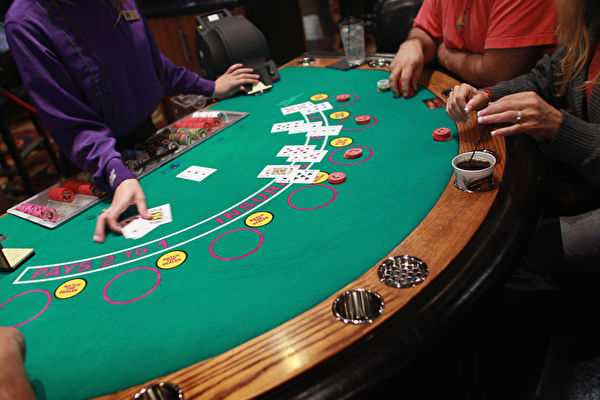
During the 18th century, gambling houses emerged across Europe, providing organized venues where various games, including roulette and blackjack, could be played. This era also saw the birth of modern casinos, which offered a controlled environment for gambling, complete with rules and regulations to ensure fair play. The establishment of casinos transformed gambling into a formal industry and contributed significantly to the economy.
The 19th century witnessed the expansion of gambling to the United States, driven by the Gold Rush and the establishment of frontier towns. The emergence of Wild West saloons, where gamblers congregated, popularized games such as poker and faro. This period highlighted the interplay between chance and risk as players engaged in high-stakes betting, often leading to legendary tales of fortune and failure that shaped American culture.
The Digital Age: Online Gambling and Technological Advancements
The late 20th century brought about the digital revolution, fundamentally changing the landscape of gambling. The advent of the internet opened new avenues for betting, with online casinos emerging as a popular alternative to traditional establishments. This shift not only made gambling more accessible but also introduced innovative game formats that appealed to a broader audience.
The incorporation of technology into gambling has transformed the experience for players. Virtual reality and live dealer games create immersive environments that mimic the feel of a physical casino, while mobile applications allow users to gamble on the go. The use of blockchain technology has also begun to enhance transparency and security in transactions, addressing concerns about fairness and trust in online betting.
However, this evolution has not come without challenges. Issues such as gambling addiction and regulatory compliance have emerged, prompting discussions about responsible gambling practices and consumer protection. As gambling continues to evolve in the digital age, striking a balance between innovation and safety remains a critical concern for both players and regulators.
The Future of Gambling: Trends and Perspectives
As we look to the future, the evolution of gambling is poised to continue shaping societal norms and economic landscapes. Emerging technologies like artificial intelligence and machine learning are likely to play a pivotal role in personalizing gambling experiences and enhancing player engagement. These advancements may lead to more sophisticated algorithms that can analyze player behavior, offering tailored recommendations and strategies.
The rise of esports betting also illustrates the changing dynamics of gambling, appealing to a younger demographic that increasingly engages with competitive gaming. This trend reflects broader shifts in entertainment consumption, where traditional forms of gambling may adapt to incorporate new interests and technologies. The convergence of gaming and gambling raises questions about regulation and ethical standards, underscoring the need for adaptive frameworks in a rapidly evolving environment.
Finally, the importance of social responsibility in the gambling industry is gaining traction. As awareness of gambling addiction and its societal impacts grows, operators are implementing measures to promote safe gambling practices. This focus on responsible gaming will be essential for the industry’s sustainability, ensuring that as gambling continues to evolve, it remains a safe and enjoyable pastime for all participants.
Exploring the Online Gambling Landscape
The online gambling landscape offers a unique blend of traditional gaming experiences and modern technology. Various platforms provide players with the opportunity to engage in a wide range of games, from classic card games to innovative slots that incorporate captivating themes and graphics. This versatility attracts a diverse audience, catering to both seasoned gamblers and newcomers eager to explore.
Additionally, many online casinos prioritize player education, offering guides and tutorials that help beginners navigate the world of gambling. This emphasis on accessibility ensures that individuals can learn the ropes while enjoying their favorite games. With competitive bonuses and promotions available, players can maximize their gaming experiences while benefiting from secure transactions and dedicated customer support.
As the online gambling industry continues to expand, it fosters a community of enthusiasts who share a passion for chance and risk. Engaging in online gaming not only provides entertainment but also opens avenues for social interaction, connecting players from various backgrounds. The future of online gambling looks promising, as advancements in technology and gaming experiences pave the way for a more inclusive and exciting environment.